Explore the Soul of Courage: Visiting the Warsaw Uprising Museum
The Warsaw Uprising Museum stands as a testament to human resilience against tyranny. It provides a distinctive look at the hardships suffered during one of history's most defining moments. Guests are invited to explore immersive exhibits that highlight firsthand narratives and communal recollections. This exploration of the past raises important questions about liberty and the enduring pursuit of democratic ideals. What lessons can be drawn from these narratives, and how do they resonate today?
Why The Warsaw Uprising Is Still Relevant Today
The importance of the Warsaw Uprising resonates deeply in modern society, embodying resilience in the face of tyranny. This pivotal moment in history, which transpired in the course of the Second World War, illustrates the courage of individuals who stood against oppression, making it a powerful reference point for current struggles against oppressive regimes. The revolt acts as a testament to the sacrifices made for freedom, fostering a spirit of duty to preserve democratic ideals in our time.
At a time defined by growing nationalist and populist movements, the Warsaw Uprising's lessons promote vigilance against the erosion of civil liberties. It further cultivates a shared understanding of the importance of unified efforts in championing human rights. Additionally, the uprising connects generations, connecting the accounts of former heroes with present-day movements for justice. Consequently, its legacy continues to inspire individuals and communities worldwide, highlighting the ongoing struggle for freedom and equality.
Explore Key Exhibits and Personal Stories
When touring the Warsaw Uprising Museum, guests are able to explore key exhibits that bring the harrowing experiences of those involved to life. Among the museum's holdings are personal artifacts, photographs, and documents that illustrate the daily struggles faced by both civilians and resistance fighters. A particularly moving display showcases an assembly of handwritten letters from insurgents, shedding light on their aspirations and apprehensions during those turbulent times. A further exhibit illuminates the narratives of households that were uprooted, underlining the devastating human cost of war.
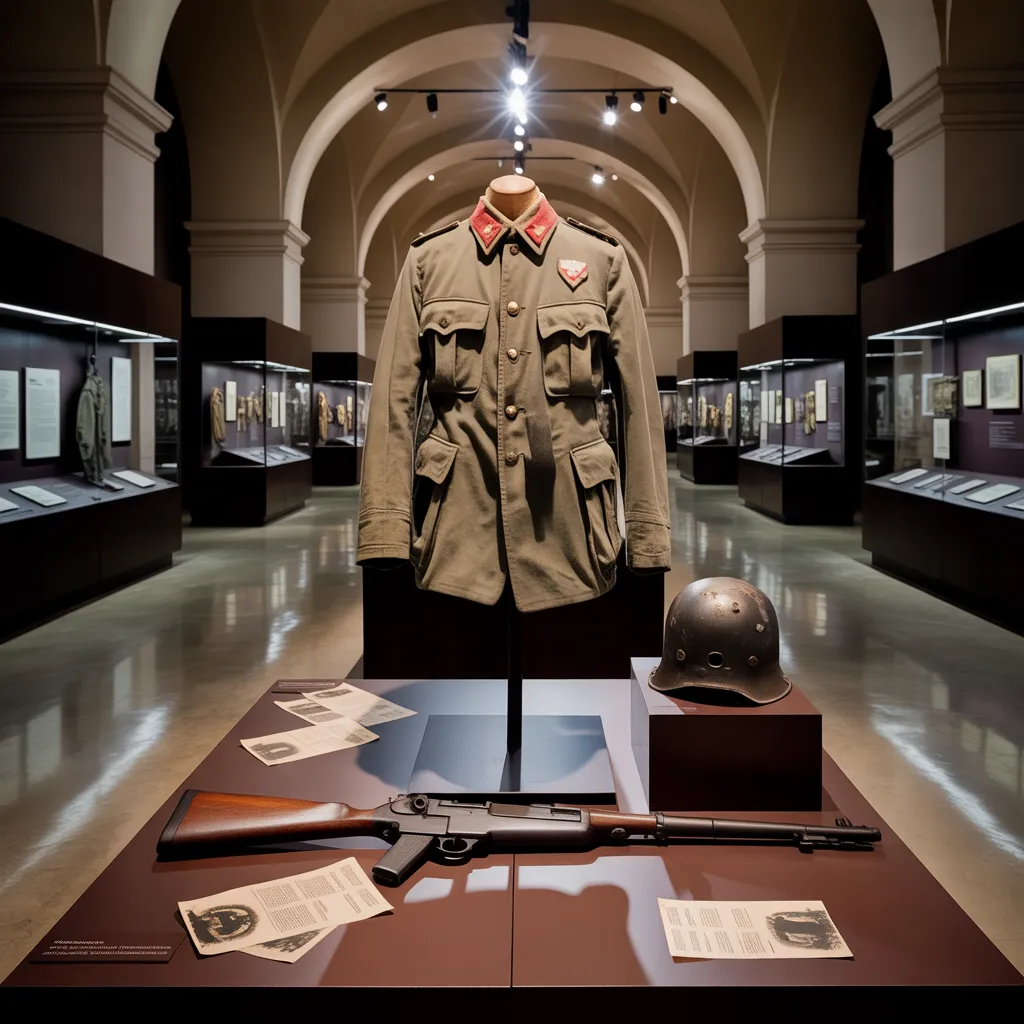
Moreover, the museum features weapons and uniforms used during the revolt, providing context to the desperate conditions. The story is enhanced by audio recordings of survivors describing their encounters, bringing a heartfelt perspective to the historical events. These installations not only educate visitors about the rebellion but also celebrate the resilience and bravery of those who fought for their city, bringing historical events to life for contemporary audiences.
Can't-Miss Interactive Exhibits at The Museum
How can interactive exhibits enhance the understanding of the Warsaw Uprising? At the Warsaw Uprising Museum, these exhibits offer a dynamic way to engage with history. One remarkable exhibit lets visitors traverse a virtual map of the city as it stood during the uprising, offering insight into the geographical difficulties that insurgents faced. A further immersive exhibit recreates the sounds of combat, surrounding visitors with the powerful atmosphere of resistance.
In addition, the exhibit includes a poignant interactive display where visitors can leave messages or reflections, encouraging a personal link to the history being told. Interactive screens present firsthand accounts from historical witnesses, connecting the divide between yesterday and today. These engaging components not only enlighten but also stir emotional connection, allowing the depth of the Warsaw Uprising to become clearer and more meaningful. By means of these groundbreaking displays, the museum turns historical education into a compelling adventure that connects profoundly with its audience.
Useful Advice For Visiting The Museum
What essential tips can enhance a visit to the Warsaw Uprising Museum? Initially, visitors should plan to spend at least two to three hours thoroughly exploring the exhibits. Guests are encouraged to purchase tickets online ahead of time to bypass lengthy lines, particularly during busy tourist seasons. Audio guides are offered and strongly advised, as they deliver meaningful context and enhanced perspectives on the exhibits.
Getting there early in the day can further enrich the visit, allowing for a quieter atmosphere. Sturdy shoes are highly recommended, as the exhibition requires considerable walking and time on your feet. Additionally, attendees should consider looking at the museum's timetable for organized events, hands-on workshops, or curated tours that might enhance their overall comprehension. As a final tip, engaging with the museum staff for recommendations can result in uncovering hidden artifacts and narratives that showcase the strength of Warsaw's residents throughout the uprising.
How The Uprising Forms Modern Polish Identity
The Warsaw Uprising remains a defining moment in Polish history, deeply shaping the national identity of the Polish people. This courageous 1944 stand against Nazi occupation represents courage, resilience, and the struggle for freedom. The Uprising has become a key reference point in modern Polish nationalism, cultivating a spirit of unity among citizens who view it as a tribute to their shared history and values.
In contemporary Poland, the Uprising is honored in numerous ways, from official gatherings to cultural celebrations, strengthening a shared memory that defines national identity. The bravery demonstrated during the Uprising is honored through literature, cinema, and art, functioning as an enduring symbol of national pride.
Furthermore, the Uprising's remarkable influence prompts continual discussions about historical memory, sacrifice, and democracy, shaping political discourse and civic engagement. Thus, the Warsaw Uprising's significance stands as a fundamental element of Poland's national identity, reflecting the enduring pursuit of sovereignty and the enduring spirit of resistance.
Inspiring Future Generations Through The Museum
The Museum of the Warsaw Uprising holds a significant position in informing younger generations through its interactive exhibits, which immerse them in the pivotal occurrences of the uprising. In maintaining these accounts, the memorial not only pays tribute to history but also instills a sense of responsibility in future generations. This methodology fosters a more profound appreciation of the past and its lasting influence on the Polish national character.
Educating Through Interactive Exhibits
Although numerous museums seek to conserve history, the Warsaw Uprising Museum employs a remarkable strategy by captivating visitors with hands-on exhibitions. These carefully designed installations allow guests to fully experience the experiences of those who lived through the uprising. By utilizing multimedia displays, virtual reality environments, and interactive activities, the museum encourages a greater comprehension of the historical backdrop and emotional gravity of the events. Visitors can explore authentic artifacts and engage in storytelling that makes history vivid and tangible, rendering it accessible to newer generations. This hands-on approach not only informs but also cultivates compassion and analytical thought, guaranteeing that the insights of the uprising extend far beyond the museum walls, molding the viewpoints of the leaders of tomorrow.
Sustaining the Influence of Historical Narratives
Via its engaging displays, the Warsaw Uprising Museum not only informs visitors but also serves a vital function in preserving historical narratives that speak to those who follow. By showcasing firsthand experiences, relics, and audiovisual exhibits, the museum cultivates a greater appreciation of the Uprising's historical impact. This connection helps to ensure that the sacrifices made during this defining period in history are not overlooked. The museum underscores the value of collective memory, resilience, and bravery, inspiring young people pertinent details to reflect on their own values and responsibilities. As attendees form emotional bonds with the past, they are encouraged to become involved members in creating a more equitable future. Therefore, the museum functions as a essential bridge for passing on these important stories through generations.
Personal Accounts That Bring History to Life
Within the artifacts and displays of the Warsaw Uprising's commemorative museum, individual stories rise as powerful demonstrations of resilience and courage. Each story, be it from a combatant or an ordinary citizen, offers a deeply moving insight into the personal journey during one of history's darkest times. The museum showcases letters, diaries, and oral testimonies that convey the emotions of loss, hope, and defiance, enabling guests to forge a profound connection with history.
These narratives highlight the nuances of survival, revealing how common people rose to become remarkable heroes. They uncover the ethical challenges faced during the uprising and the connections formed through hardship. By presenting these deeply personal stories, the museum preserves not only history but also highlights the significance of personal perspectives in forming shared memory. Ultimately, these intimate narratives reshape the perception of the uprising, allowing it to resonate in current dialogues concerning resistance and identity.
Frequently Asked Questions
What Are the Museum's Business Hours and Ticket Prices?
The museum operates every day from 10 in the morning until 6 in the evening, remaining open until 8 PM on Thursdays. Entry fees are 25 PLN for adults, whereas students and seniors receive discounted admission at 15 PLN.
Can You Take a Guided Tour at the Warsaw Uprising Museum?
Indeed, guided tours are available at the Warsaw Uprising Museum. Such tours offer detailed information into the exhibits and historical context, deepening visitors' appreciation of the historical events and importance of the uprising. Booking in advance is recommended.
Is Taking Photos Permitted Inside the Museum?
Photography is generally not permitted inside the museum in order to protect the displays and honor the dignified nature of the environment. Visitors are encouraged to enjoy the experience without capturing images, directing their attention toward the historical importance of the artifacts.
Are There Any Gift Shops or Cafés Located On-Site?
The museum includes both a gift shop and a dining area on the premises. Guests are able to buy mementos and savor refreshments, adding to the enjoyment of their trip while exploring the historical significance of the museum's exhibitions.
Do You Have Any Special Events or Exhibitions Planned?
The museum frequently organizes unique events and exhibits. Future programs offer presentations, film showings, and hands-on exhibits, giving attendees greater knowledge about the historical significance of the Warsaw Uprising and its enduring legacy.